
Menopause Clothing Tips: How Fabric and Fit Can Actually Help
There is a specific kind of frustration that comes from standing in front of a full closet and feeling like nothing fits right anymore. The clothes are the same. The body is different. And most of the advice available online amounts to "wear linen and layer." Which, fine, but that does not explain why a fabric that felt fine last summer now feels suffocating by 10 a.m.
What actually helps is understanding the biology first. When estrogen levels drop, the hypothalamus, the part of the brain that regulates body temperature, becomes significantly more sensitive to small changes in environmental heat. According to Taylor & Francis, hot flashes affect between 48% and 80% of peri- and postmenopausal women globally. That is not a minor inconvenience. It is a physiological shift that changes what a garment needs to do.
Once you understand that, the wardrobe conversation changes. Fabric choice stops being about aesthetics and starts being about how your body actually functions. These menopause clothing tips are grounded in that reality.
How Menopause Changes Your Relationship With Clothes
Menopause and perimenopause bring physical changes that affect how clothes fit, feel, and function throughout the day. The most immediate shift is temperature sensitivity.
When Your Body Composition Shifts
Beyond temperature, body composition changes. Fat accumulation can roughly double while lean body mass declines during the menopausal transition, according to MDPI. Weight tends to redistribute toward the midsection, which means clothes that fit well through the hips may feel tight across the waist, and vice versa.
Skin sensitivity also increases. Synthetic fabrics, tight elastics, and rough seams that were tolerable before can feel genuinely irritating against skin that is now more reactive. This is not a minor sensory preference. It is a real physiological change that makes fabric selection a practical health decision, not a style one.
The Best Fabrics for Menopause: What to Wear and What to Avoid
The best fabrics for managing hot flashes and night sweats are those that allow heat to escape and moisture to move away from the skin. Natural fibers and certain technical fabrics do this well. Synthetic fabrics that trap heat make symptoms worse.
Fabrics That Help
- Cotton: Breathable and soft against sensitive skin. Lightweight cotton is a reliable daytime choice.
- Linen: Highly breathable, especially in warm climates. Wrinkles easily but keeps you cooler than most alternatives.
- Bamboo: Moisture-wicking and naturally temperature-regulating. Menopause specialist Shilpa Mcquillan has noted that bamboo and moisture-wicking fabrics can genuinely reduce heat retention and skin irritation, particularly relevant for women experiencing increased skin sensitivity.
- Technical moisture-wicking blends: Engineered to pull sweat away from the body quickly. Useful for active wear and swimwear.
Fabrics to Avoid
Polyester, nylon, and acrylic trap heat and hold moisture against the skin. They can feel fine in air conditioning but become uncomfortable quickly in warm environments or during a hot flash. Tight synthetic blends around the waist and chest are particularly worth reconsidering. According to Alexander Clementine, increased skin sensitivity and reactivity to synthetic fabrics, seams, and tight elastics are primary drivers behind growing demand for natural-fiber and seamless garments among midlife women.
Dressing Strategies for Menopause: Layering, Silhouettes, and Smart Swaps
Layering is the most practical menopause clothing tip because it gives you control over your temperature throughout the day without committing to a single outfit weight. The key is choosing layers that are genuinely lightweight and easy to remove, not just aesthetically layered.
 SHOPTHE LOOK
Building a Layering System That Works
Start with a breathable base, a fitted cotton or bamboo tank or camisole, that stays comfortable against the skin even during a flash. Add a loose, open-front layer on top, a linen shirt, a lightweight cardigan, or a draped jacket, that you can remove quickly without disrupting an outfit. Avoid heavy blazers or structured jackets as your primary outer layer if you are managing frequent temperature swings.
Silhouette matters too. Looser fits allow air to circulate and reduce friction against sensitive skin. Wrap styles, A-line cuts, and wide-leg trousers are practical choices that also read as polished. High-waisted styles can provide gentle support around the midsection without compression. The goal is ease of movement and airflow, not volume for its own sake.
Smart Daily Swaps
Swap turtlenecks and crew necks for V-necks and open collars. Replace fitted synthetic blouses with relaxed linen or cotton tops. Choose elastic waistbands over rigid waistbands for days when bloating is a factor. These are small changes that add up to significantly more comfort across a full day.
How to Dress With Confidence During Menopause: Style Without Sacrifice
Comfort and personal style are not in conflict during menopause. The women who navigate this transition most gracefully tend to be the ones who stop treating comfort as a concession and start treating it as a design requirement.
Color and Pattern as Tools
Bold colors and prints work at any stage of life. Darker tones around the midsection and brighter tones at the neckline and shoulders are a classic styling principle that draws attention upward, but there is no rule that says midlife women must dress in neutrals or avoid pattern. Wear what you actually like. The confidence that comes from wearing something you genuinely love is its own kind of style.
Jennifer Aniston has spoken publicly about prioritizing wellness and self-care during midlife, though her specific menopause wardrobe choices are not documented.
Fit as the Foundation
Clothes that fit your current body, not the body you had five years ago, look better and feel better. This sounds obvious, but many women hold onto pieces that no longer serve them out of habit or sentiment. A small wardrobe of well-fitting pieces in breathable fabrics will outperform a large wardrobe of ill-fitting ones every time.
How to Hide Menopause Belly and Dress for Your Changing Shape
Midsection changes during menopause are common and physiological. According to MDPI, central obesity increases significantly across age groups in peri- and postmenopausal populations. Dressing for this shift is about creating visual balance and physical comfort, not concealment.
Cuts That Work With a Fuller Midsection
- High-waisted bottoms: Provide gentle support and create a defined waistline without compression.
- Wrap dresses and tops: Adjustable fit accommodates fluctuating midsection size across the day.
- A-line and trapeze silhouettes: Skim the body rather than clinging, allowing airflow while creating shape.
- Empire waist styles: Define the body above the fullest point of the midsection.
Avoid very stiff waistbands, wide belts worn at the natural waist, and anything with horizontal seaming across the abdomen. These draw attention to the midsection in ways that feel uncomfortable rather than intentional. Soft, fluid fabrics that drape rather than cling are your most reliable option for both comfort and appearance.
 SHOPTHE LOOK
Night-Time SOS: What to Wear for Hot Flashes and Night Sweats
Sleep disruption is one of the most frustrating aspects of menopause. According to Researchsquare, sleep disturbances and hot flushes or night sweats were the most commonly reported menopausal symptoms in a UK-based survey, affecting over 80% of respondents. What you wear to bed makes a measurable difference.
Sleepwear That Helps
Bamboo and moisture-wicking cotton sleepwear are the most effective choices for managing night sweats. They pull moisture away from the skin and dry quickly, so a night sweat does not leave you lying in damp fabric for the rest of the night. Loose, lightweight styles with minimal seaming reduce friction against sensitive skin.
Avoid flannel, fleece, and heavy jersey, even in cooler months. A lighter sleepwear layer paired with breathable, layered bedding gives you more temperature control than a single heavy option. Keep a lightweight cotton robe or cardigan nearby for the chill that often follows a hot flash.
Building a Menopause Capsule Wardrobe That Actually Works for You
A menopause capsule wardrobe is a small, intentional collection of pieces that work with your body's current needs rather than against them. The goal is versatility and comfort, not minimalism for its own sake.
The Core Pieces
- 2-3 breathable base layers in cotton or bamboo (tanks, camisoles)
- 2-3 loose, open-front layers in linen or lightweight cotton
- 1-2 wrap dresses or tops in fluid fabric
- Wide-leg or relaxed-fit trousers with elastic or adjustable waistbands
- A lightweight, packable layer for temperature-controlled environments
- Moisture-wicking sleepwear in bamboo or cotton
Building Gradually
You do not need to replace everything at once. Start with the pieces you reach for most often and assess whether they are actually working for your body right now. Replace synthetic fabrics with natural or technical alternatives as pieces wear out. Prioritize fit over trend. A capsule wardrobe built this way becomes genuinely useful rather than aspirationally minimal.
The same logic applies to swimwear. A single well-made suit in a heat-friendly, supportive fabric will serve you better than several cheaper options that lose shape, trap moisture, or require constant adjusting in the water.
The practical guidance above covers the daily wardrobe. What follows is the part that matters specifically at the water's edge, where the stakes of fabric and fit feel most immediate, and where most swimwear has historically given perimenopausal women the least useful answers.
When Your Body Runs Hotter: Fabric and Fit as Real Comfort Tools
Hot flashes in a swimsuit are a specific kind of uncomfortable. Wet, heavy fabric against overheated skin is not just unpleasant. It actively worsens the sensation of a flash by trapping heat and slowing the evaporation that would otherwise help cool the body. This is where fabric technology becomes a genuinely practical conversation, not a marketing one.
 SHOPTHE LOOK
Chlorine-resistant fabrics designed with moisture management in mind behave differently in water than standard swimwear materials. They dry faster, hold less water weight against the skin, and maintain their structure through repeated exposure to pool chemicals and sun. For a woman managing temperature dysregulation, that difference is felt immediately.
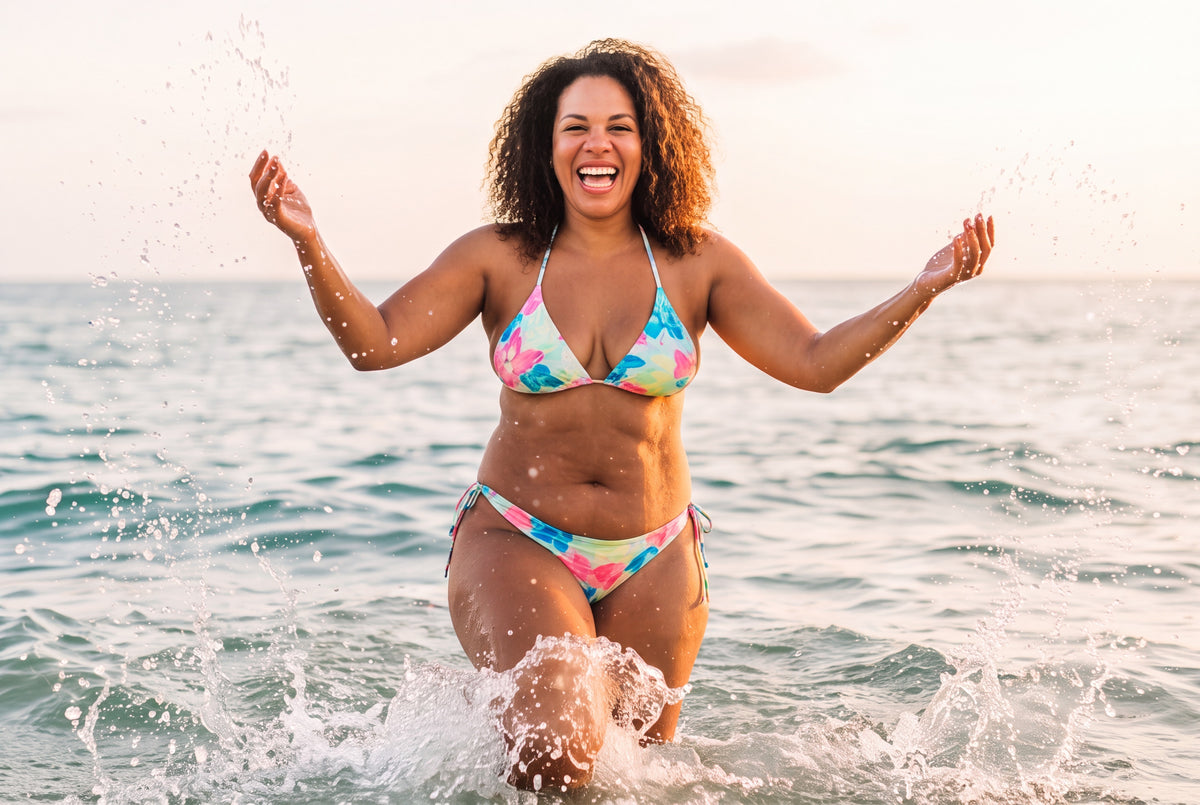
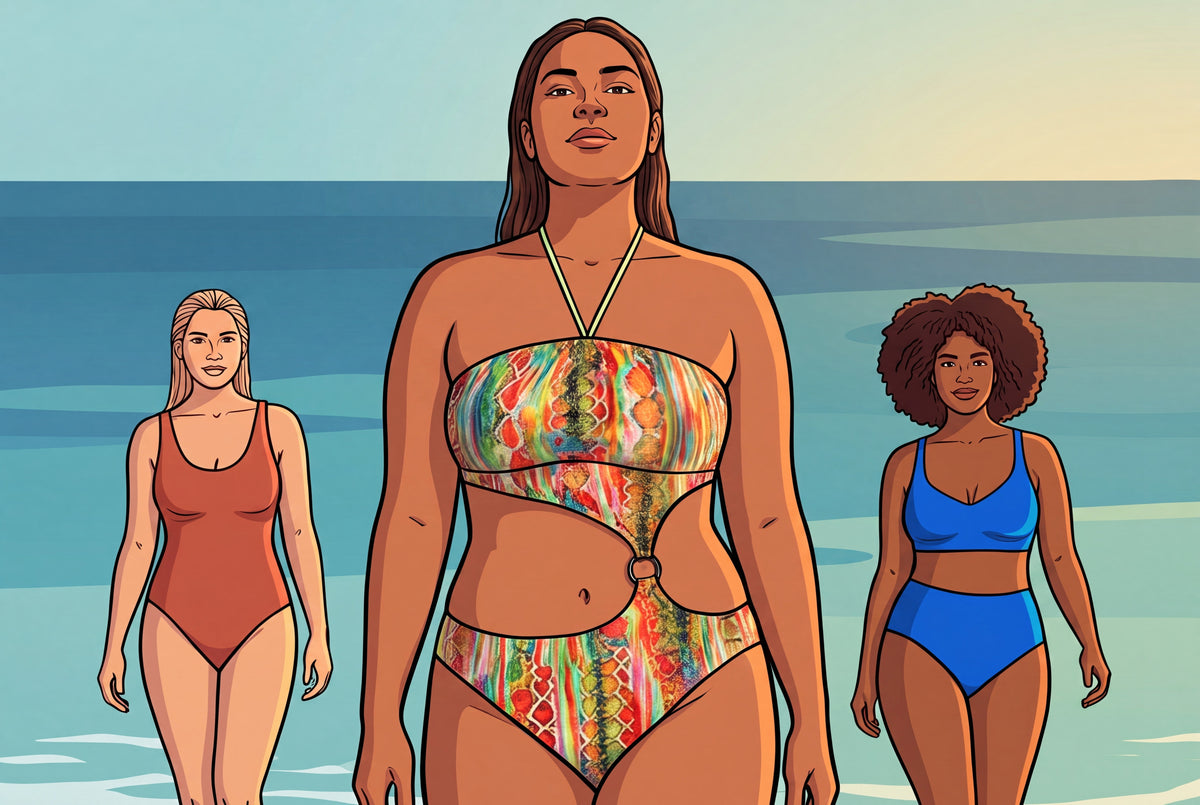
Fit matters here too. A suit that gaps, slides, or requires constant adjustment in the water is a practical problem. It pulls attention away from the water, the sun, the moment. Swimwear designed with a fuller bust and changing midsection in mind, with structured support and adjustable elements, removes that distraction entirely. The beach becomes what it should be: a place to be present, not a place to manage.
At Ir Al Sol, we design with these realities in mind from the start. UPF-protective, chlorine-resistant fabrics that move with the body rather than against it are the foundation, not an add-on. Because a woman who runs hotter deserves a suit that keeps up.
Breast Tenderness, Changing Silhouettes, and the Case for Genuine Support
Breast tenderness is more common during perimenopause than many women expect. According to Mymenopausecentre, approximately 40% of women experience breast tenderness at some point during their midlife transition. For women who cannot or choose not to use hormone therapy, managing this sensitivity through daily choices, including what they wear in the water, becomes genuinely important.
Supportive swimwear for a fuller bust or tender breast tissue is not about minimizing. It is about holding the body with care. There is a real difference between a suit that compresses and a suit that supports, and women who have experienced breast tenderness know exactly what that difference feels like.
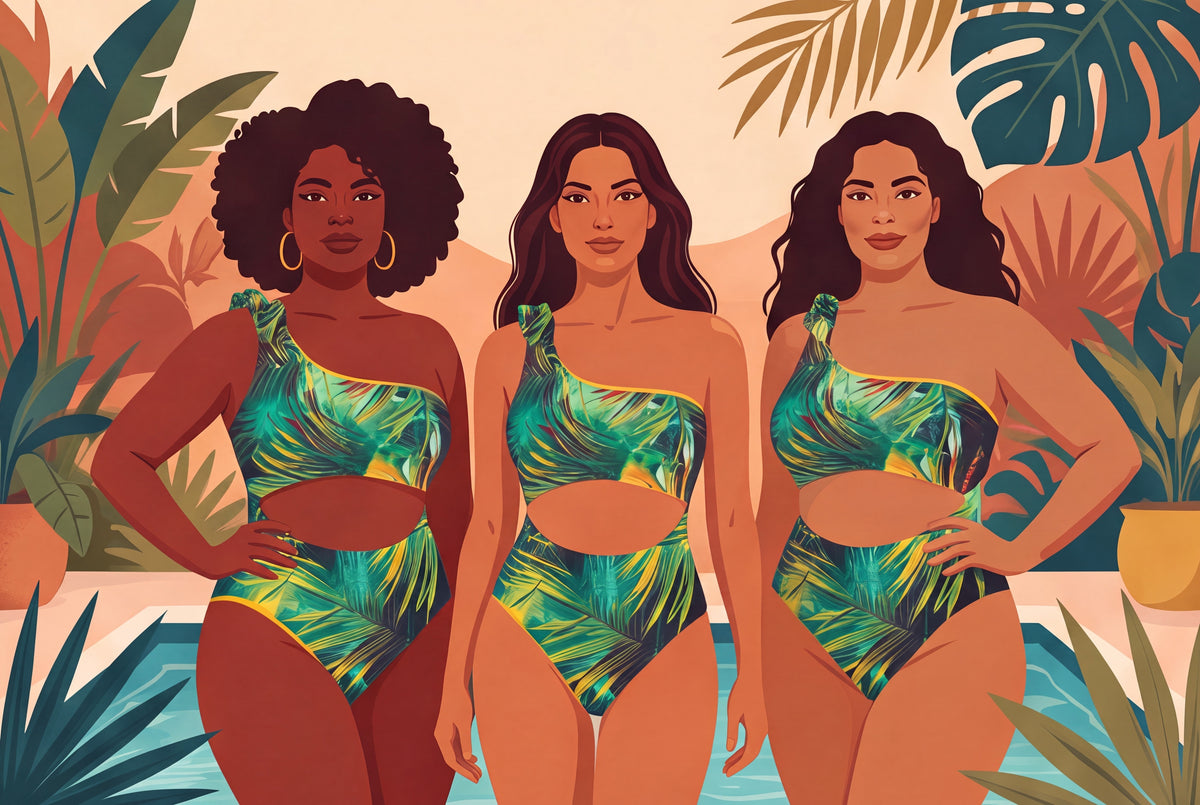
Our swimwear for larger busts is built with structured cups, wider straps, and adjustable closures that distribute weight evenly and reduce movement in the water. The goal is comfort that lasts the full length of a beach day, not just the first hour. According to Fakta, two-piece bikinis are projected to outsell traditional one-piece swimsuits by a three-to-one margin for midlife consumers in the 2026 summer season, which reflects a broader shift toward swimwear that fits specific body needs rather than defaulting to coverage as the only solution.
Genuine support and beautiful design are not in tension. We hold both.
Confidence Is Not a Trend: Dressing for the Body You Have Right Now
There is a cultural habit of framing midlife women at the beach as doing something brave. We find that framing worth setting aside entirely. Showing up at the water in a suit that fits your body right now is not an act of courage. It is simply what getting dressed looks like when the clothes are right.
According to PLOS, over 80% of middle-aged women report dissatisfaction with their body image. That number reflects how much the culture has told women their bodies are the variable to manage, rather than the garment. We design from the opposite premise. The suit is the variable. The body is the constant.
The 2026 swimwear season reflects this shift. According to Nadamanley, the season marks a move toward structured, non-disguise-focused designs for women over 50, characterized by intentional cuts and rich color palettes rather than coverage-as-default.
We have always believed that body confidence is ageless, and that it is built through fit, not willpower. When a suit holds where it should, moves where it should, and feels genuinely good against the skin, something shifts. Not the body. The relationship with it. That is what we design for: luxury swimwear made to hold, not hide, for the body she lives in right now.